
 Ruskin Bond Stories
Ruskin Bond is not a writer you read in a hurry. His stories do not demand anything of you. No suspense to chase, no shocking twists to brace for. They ask only that you sit still for a while, and in return, they offer something rare: the comforting feeling that the world is, at its core, still a gentle place.
And what better way to celebrate his birthday than by slowing down and letting his words quietly find you? Whether you’re feeling nostalgic, lonely, hopeful, or simply in need of a little calm, there’s a Ruskin Bond story that fits the mood perfectly.
Here are 8 Ruskin Bond stories to pick up on a slow afternoon—ranked by mood, so you can lose yourself in exactly the kind of feeling you need today.
Also read: 10 Children’s Books That Made Adults Cry (In the Best Way)
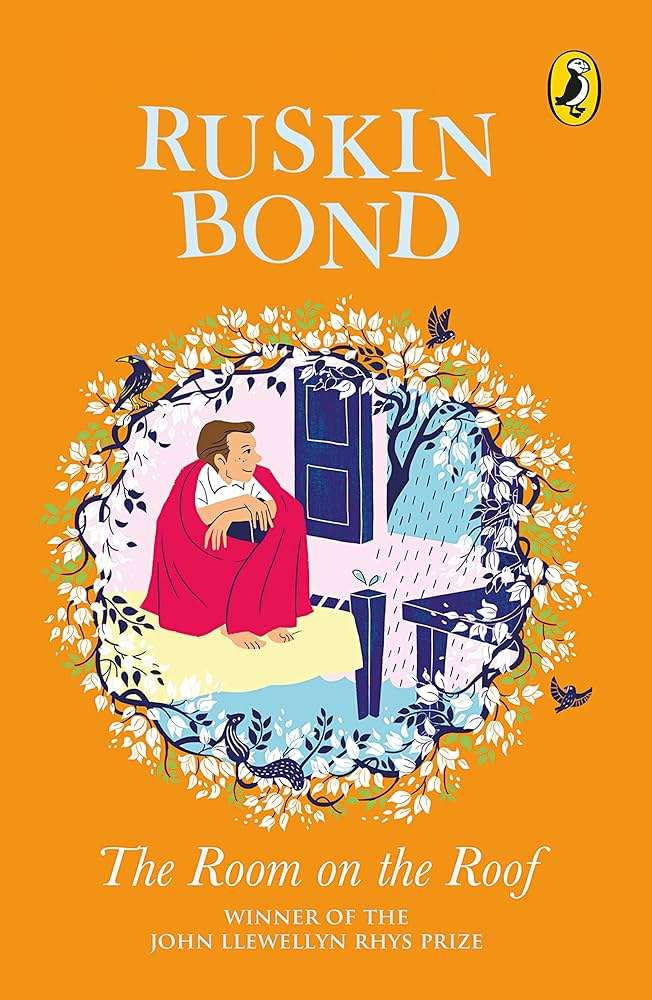
Rusty is sixteen, half-English, and entirely out of place—too foreign for India, too Indian for anywhere else. Bond's first novel is the book he wrote at seventeen, and you can feel it: the need to belong somewhere and to mean something to someone. Read this when you're between things—between cities, between versions of yourself.
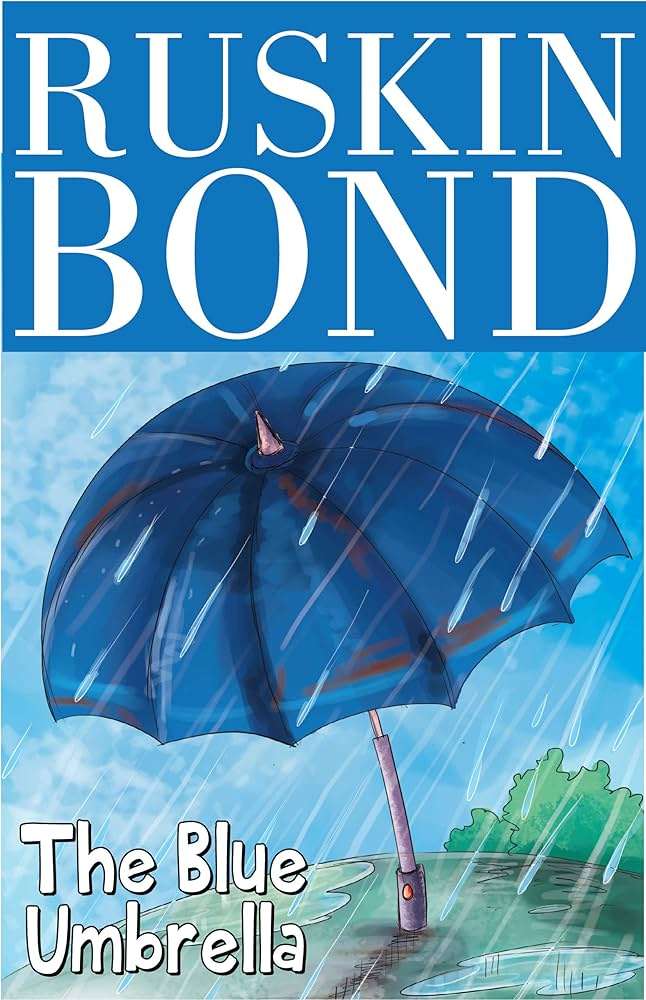
In a small Garhwal village in Uttarakhand, a little girl trades her lucky charm for a bright blue umbrella. Bond takes this simple premise and does it better than almost anyone. He takes something tiny and holds it up to the light until you can see everything humane inside it. Jealousy, pride, small cruelties, and smaller kindnesses. Read this on a grey afternoon when the world feels overcomplicated. It will remind you that the simplest things are almost always the ones that matter.
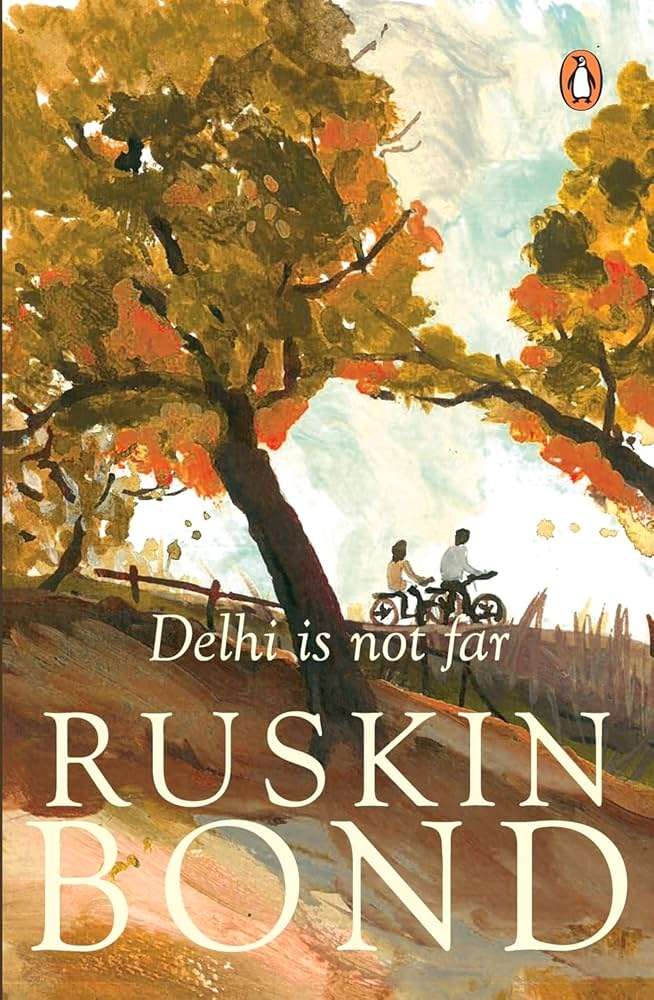
A small dusty town holds several small dusty lives. Arun the dreamer, Ramu the loyal friend who asks for nothing, a woman named Kamla who arrives like a question no one knows how to answer, and an old father fading at the edges of the story. Each of them is waiting for something: a sign, a departure, a reason to stay. Read this when you're feeling the weight of ordinary life. It won't lift it. But it will make you feel less alone inside it.
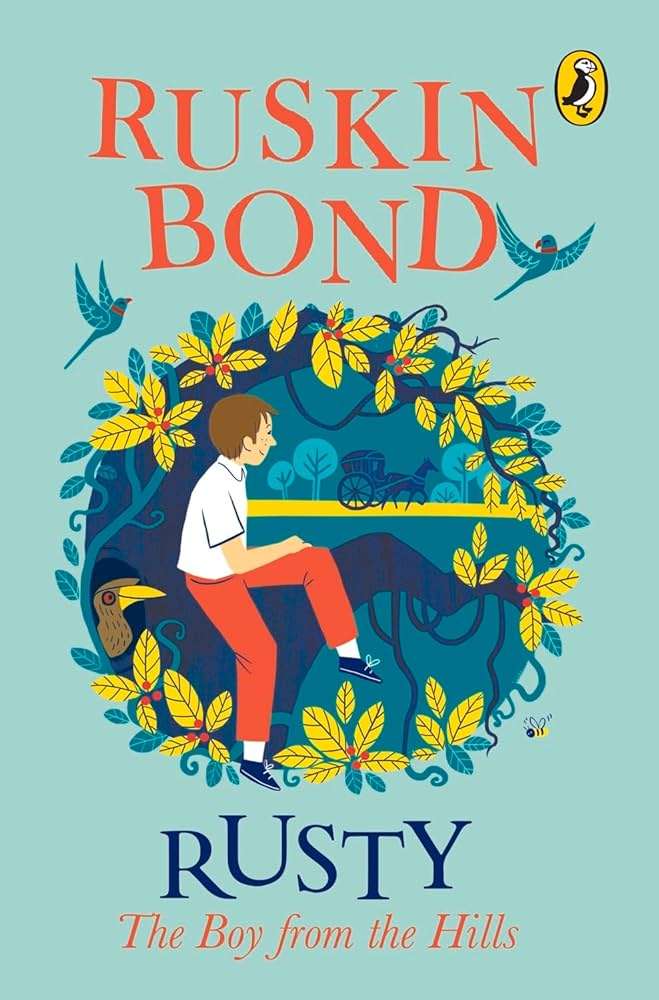
Returning to Rusty feels like revisiting an old friend. These stories are playful, observant, and filled with small mountain-town adventures that carry Bond’s unmistakable warmth. No heavy lessons, no lingering sadness, just life as it looks when you're young enough to think it will always feel this good. Read this when you don't want to feel anything complicated. Just warm, and alive, and glad to be reading.
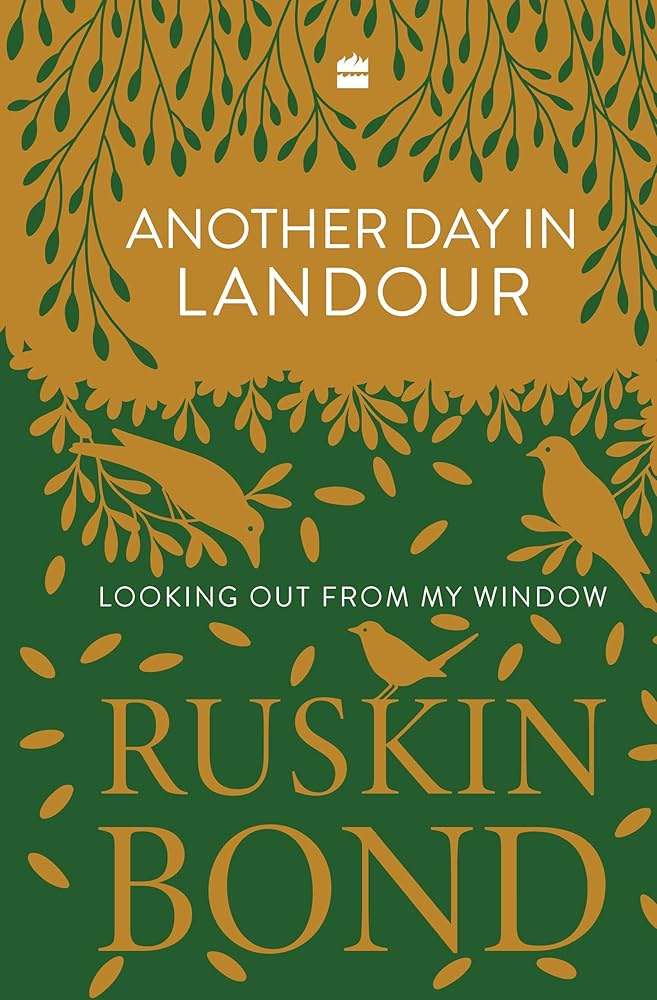
This is less a novel and more an open window. Bond writes about his days in Landour the way you might describe a walk you didn't mean to take. There is no plot to follow, no urgency to feel. Just an old writer at his desk, noticing the world outside with complete and unhurried attention.
Read this when you're not exactly looking for a story so much as a mood. For when you want to slow your own thoughts down to the pace of a hill town afternoon, where nothing much happens and everything feels enough.
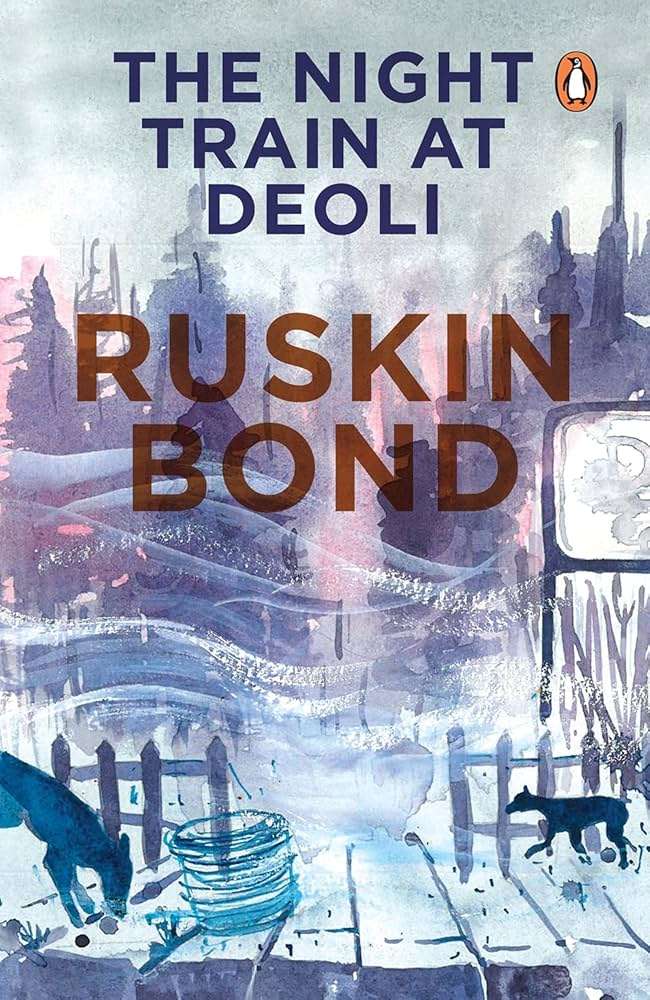
A young man passes through a small station twice a year on his way to and from college. Each time, he sees the same girl—standing on the platform, selling baskets, watching the train. They exchange almost nothing, and then on one journey, she isn't there. There are no answers, no reunion, no resolution—just the particular sadness of a connection that never had the chance to become anything, preserved perfectly in the amber of a passing train.
Read this when the melancholy is already there. Bond won't fix it. He'll just sit with you inside it, quietly, until the feeling has somewhere to go.
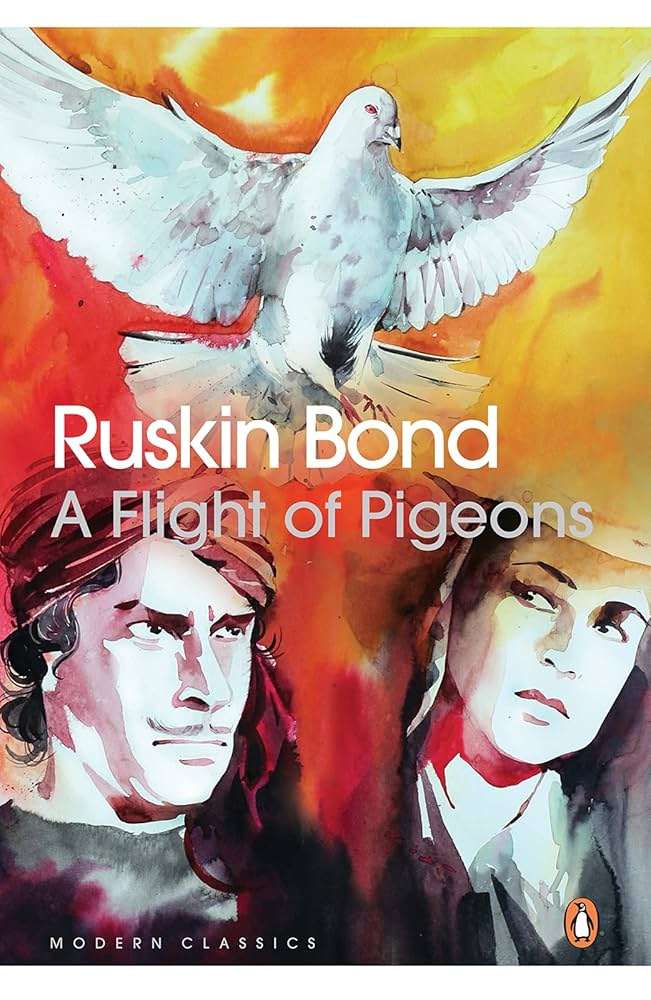
Set against the upheaval of 1857, it is a story about ordinary people trying to hold their lives together while history tears through them. A young woman, her family, a man who protects them at great personal cost, and the fragile, unlikely tenderness that grows between people in the middle of chaos. Bond never lets the violence overwhelm the intimacy—he keeps the lens close, on faces and voices and small acts of courage.
Read this when you want something that lets sorrow seep in but refuses to let it be the whole truth.
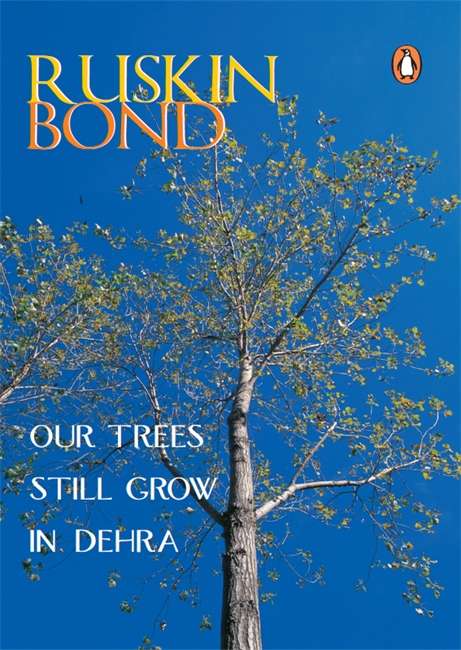
Dehradun runs through Bond's writing the way a river runs through a valley. This collection keeps returning to it: the old house, the litchi trees, the grandmother's garden, the friends who stayed and the ones who left. Bond writes about belonging here with tenderness. Read this on a rainy afternoon when the smell of wet earth is already doing something to you. It will take that feeling and give it words you didn't know you needed.
Ruskin Bond will not change your life in the way that loud, urgent books sometimes promise to. He won't shake you awake or demand that you rethink everything. What he will do is remind you that a well-observed ordinary moment is worth more than a hundred dramatic ones.
The best time to read him is exactly when you have nothing pressing to do and nowhere important to be. A slow afternoon, a cup of something warm, the particular quality of light that comes just before the day decides what it wants to be.
Pick the story that matches your mood. Or pick the one that matches the mood you want to slip into. Either works. Bond is patient. He has been writing from the same hill for decades, watching the same mist roll in, and he will be there whenever you're ready.
The kettle's on. The afternoon is yours.
Your next read: Reading Slumps Are Real: Here Are 8 Books Guaranteed to Pull You Out of One