
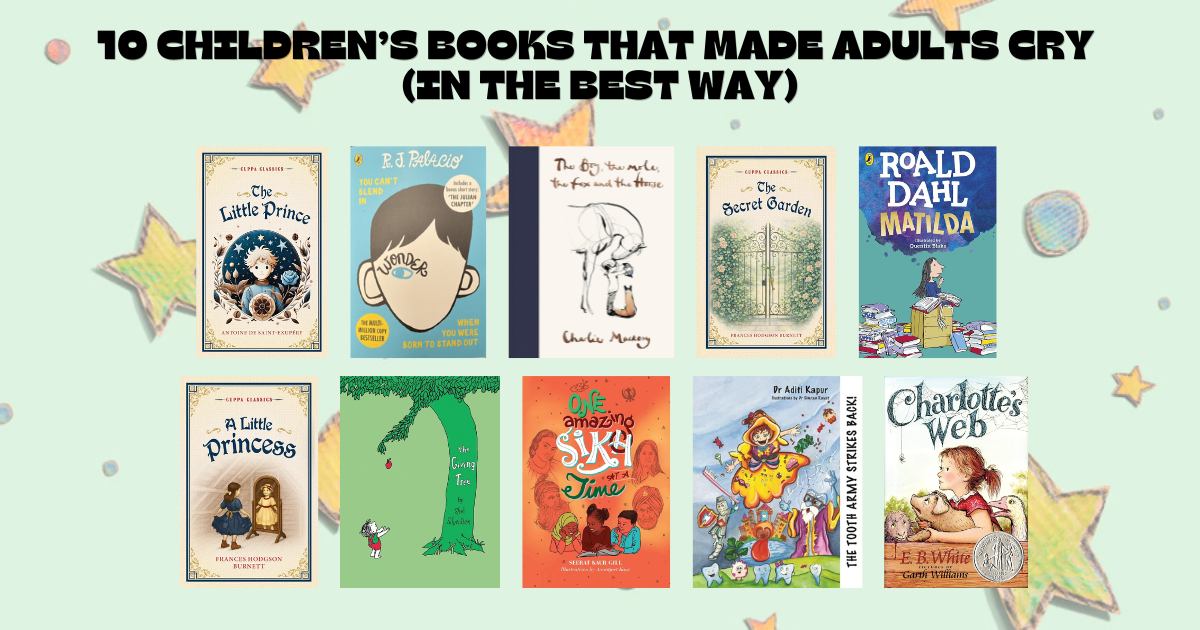
 10 children's books
There’s a widespread misconception that children’s books are simple—that they live in bright illustrations, tidy endings, and uncomplicated emotions. But revisit them as an adult, and they unfold differently. They feel fuller, heavier, more human. What once seemed like adventure or whimsy begins to carry echoes of longing, loss, resilience, and grace.
Here are ten such books that reveal more of themselves with time—stories that don’t just stay with you, but grow with you.
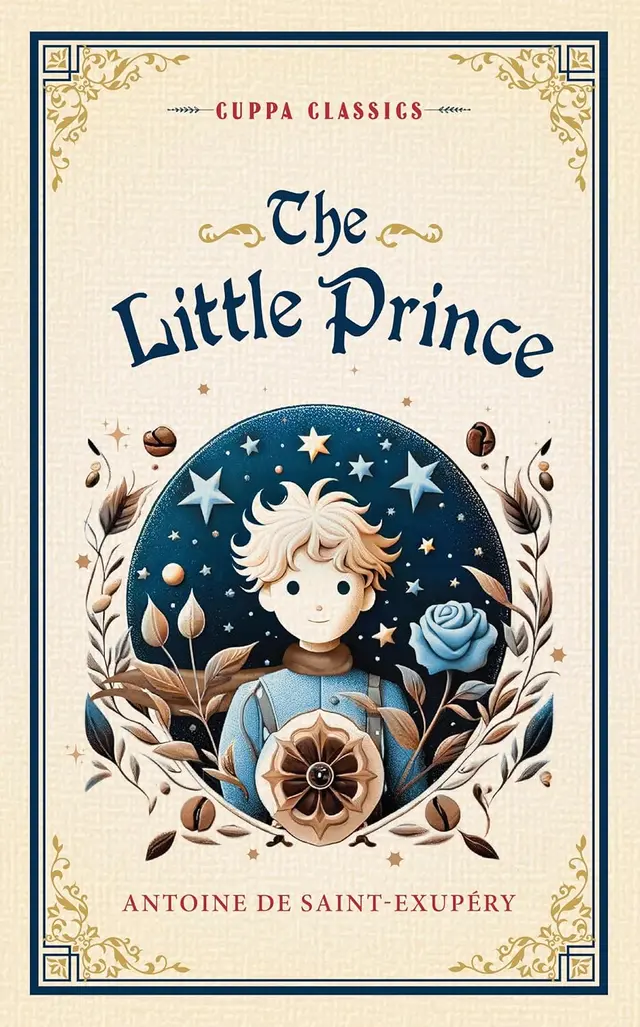
What begins as a strange, almost dreamlike encounter between a pilot and a boy in The Little Prince becomes a meditation on how adults lose sight of what truly matters. Each planet the little prince visits represents a fragment of grown-up absurdity—vanity, greed, blind obedience. But beyond these portraits of adult folly, it’s his relationship with the rose and the fox that lingers. As adults, the ache lies in recognising how easily we overlook love when it’s present, and how deeply we feel its absence when it’s gone. The ending, subtle and ambiguous, often hits harder with age—it asks you to sit with loss without fully resolving it.
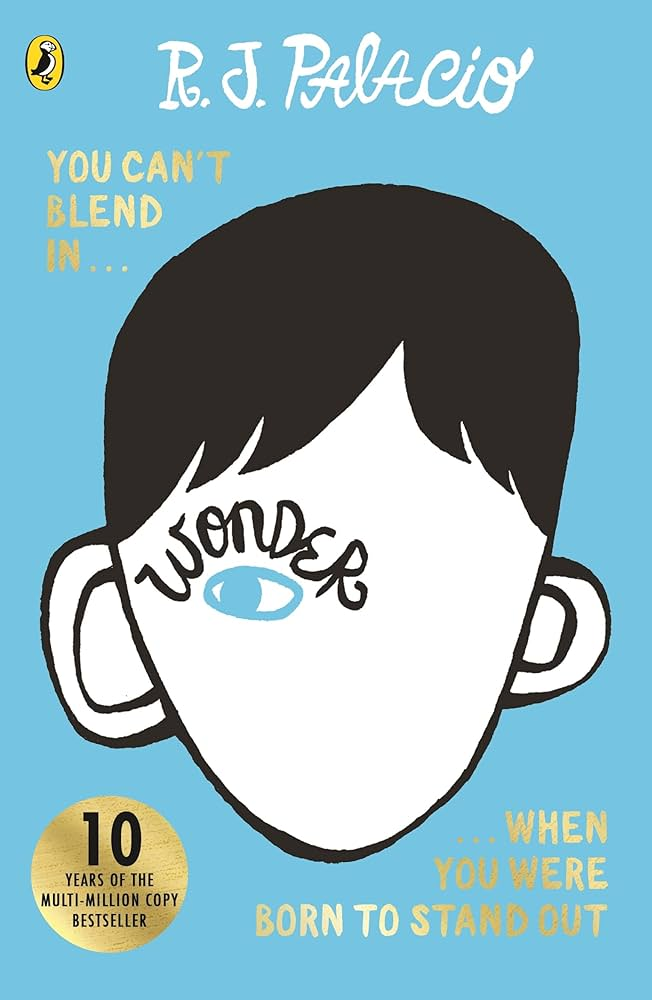
Auggie Pullman’s journey through school is layered with moments of kindness and cruelty, shaped by the reality of living with a severe facial difference caused by a genetic condition that has required multiple surgeries. What gives Wonder its emotional weight is its shifting perspectives. Adults don’t just empathise with Auggie—they see the world through his sister, his friends, even those who struggle to accept him. It becomes less about one boy’s difference and more about the ripple effect of empathy. The emotional pull often comes from the small victories: a seat at lunch, a defended friendship, a moment of courage. They remind adults how powerful—and rare—simple kindness can be.
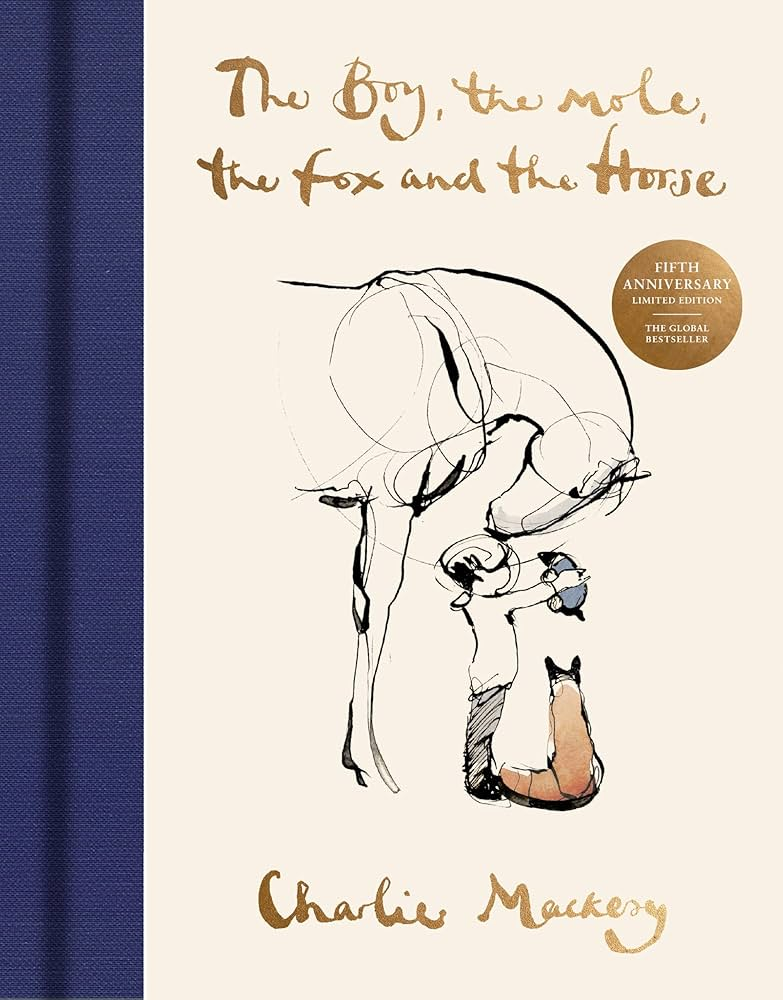
This book feels less like a story and more like a series of slow pauses. Its sparse text and gentle illustrations create space for reflection. For adults, its power lies in its honesty about fear, self-doubt, and the need for connection. Even the simplest acts—asking for help, continuing despite everything—can feel intensely personal. It doesn’t overwhelm with narrative; instead, it offers comfort in fragments—like a conversation you return to when you don’t quite have the words for how you feel.
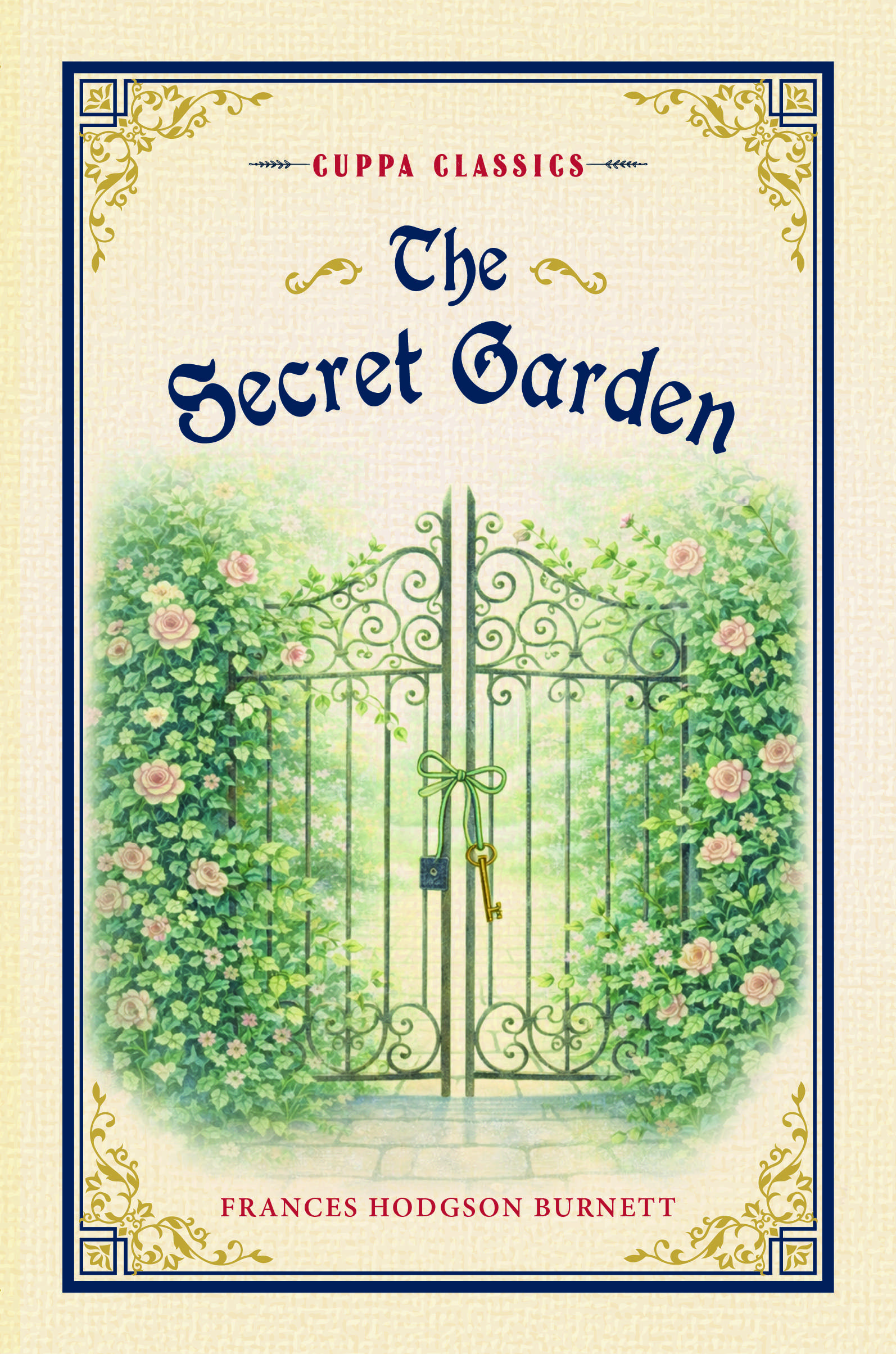
The transformation of Mary Lennox from a neglected, lonely child into someone capable of care mirrors the revival of the garden itself. As children, the story feels magical; as adults, it feels deeply restorative. The hidden grief in each character—Mary, Colin, even Mr Craven—becomes more visible. The act of tending to the garden begins to symbolise something larger: the slow, patient work of healing. The Secret Garden is not dramatic; it’s gradual, almost quiet. And that quietness is what makes it so affecting.
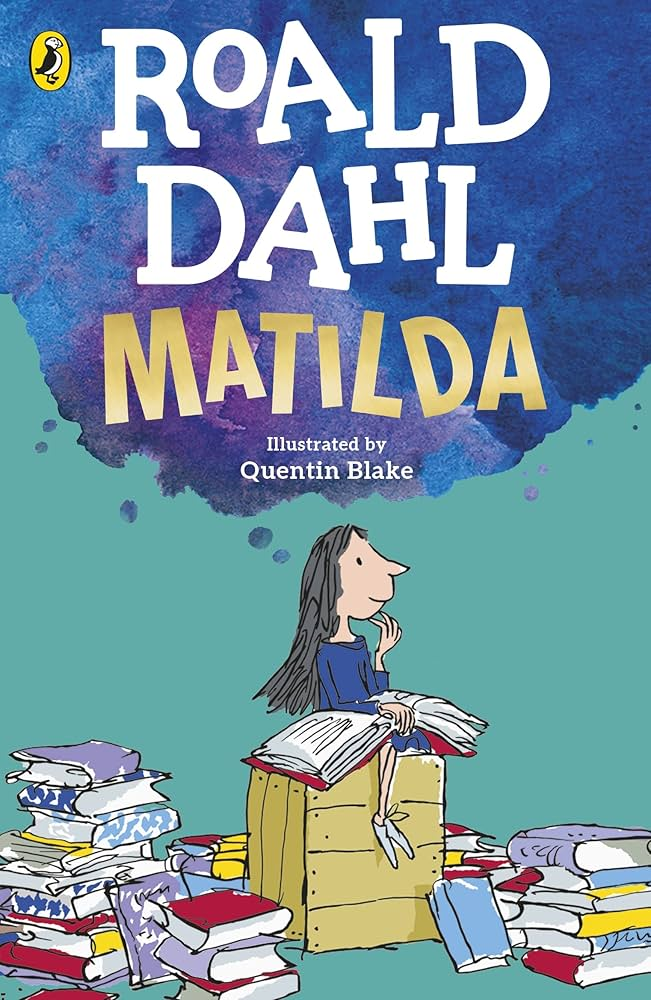
Matilda’s brilliance and defiance make for a satisfying narrative, but adults often find themselves drawn to the undercurrents of neglect and injustice. Her parents’ indifference is no longer just exaggerated humour—it feels unsettlingly real. And then there’s Miss Honey, whose life story adds a layer of poignancy. Her kindness, despite everything she’s endured, feels like an act of resistance. The emotional impact lies not just in Matilda finding her place, but in seeing goodness persist in difficult circumstances.
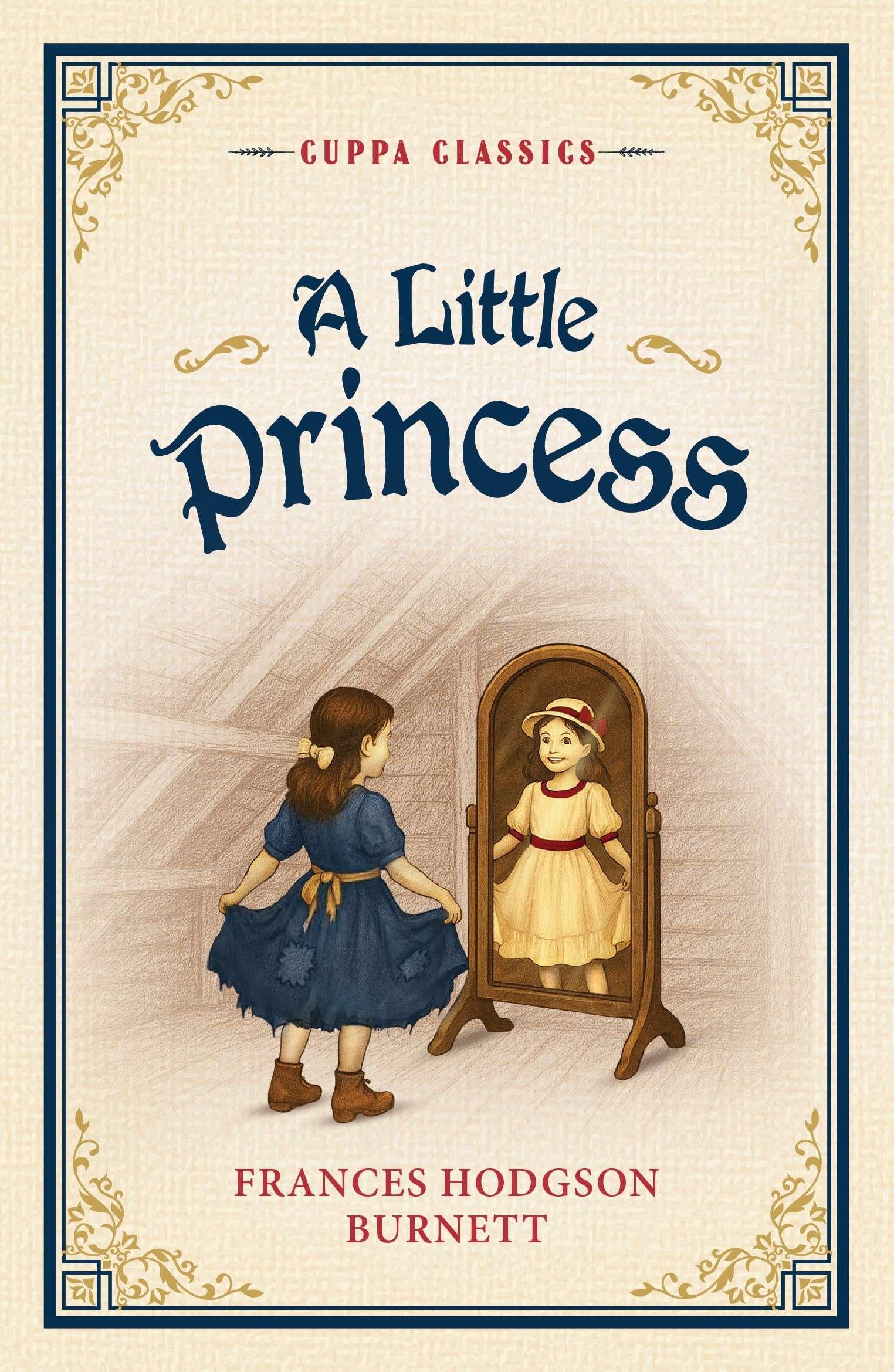
Sara Crewe’s ability to imagine warmth and dignity even in the bleakest conditions is inspiring, but as an adult, it’s also heartbreaking. In A Little Princess, you begin to notice the depth of her isolation, the humiliation she endures as a child, and the emotional toll of maintaining hope. Her imagination becomes both a refuge and a burden. The story’s resolution offers comfort, but the journey there—marked by resilience in the face of loneliness—often leaves a deeper impression.
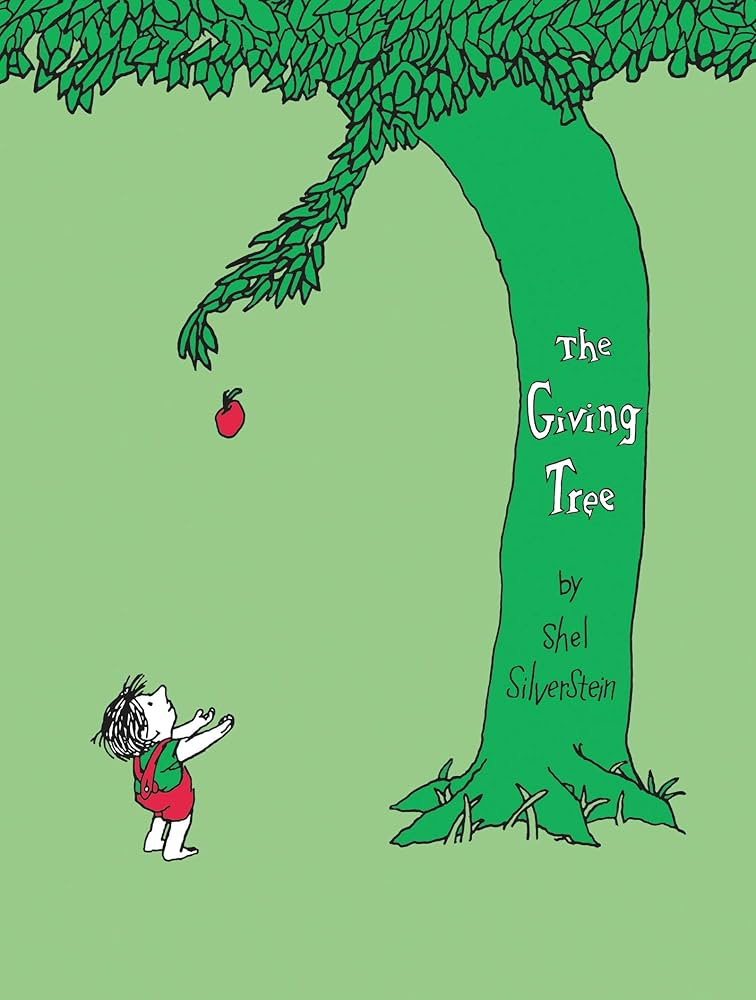
This deceptively simple story changes dramatically depending on when you read it. As children, it feels like a story about love and generosity. As adults, it raises more complex questions. The boy’s increasing demands and the tree’s endless giving can feel bittersweet, even unsettling. Is it unconditional love, or is it a cautionary tale about imbalance? The emotional weight lies in that ambiguity. It doesn’t tell you how to feel—it leaves you to confront your own understanding of love, sacrifice, and boundaries.
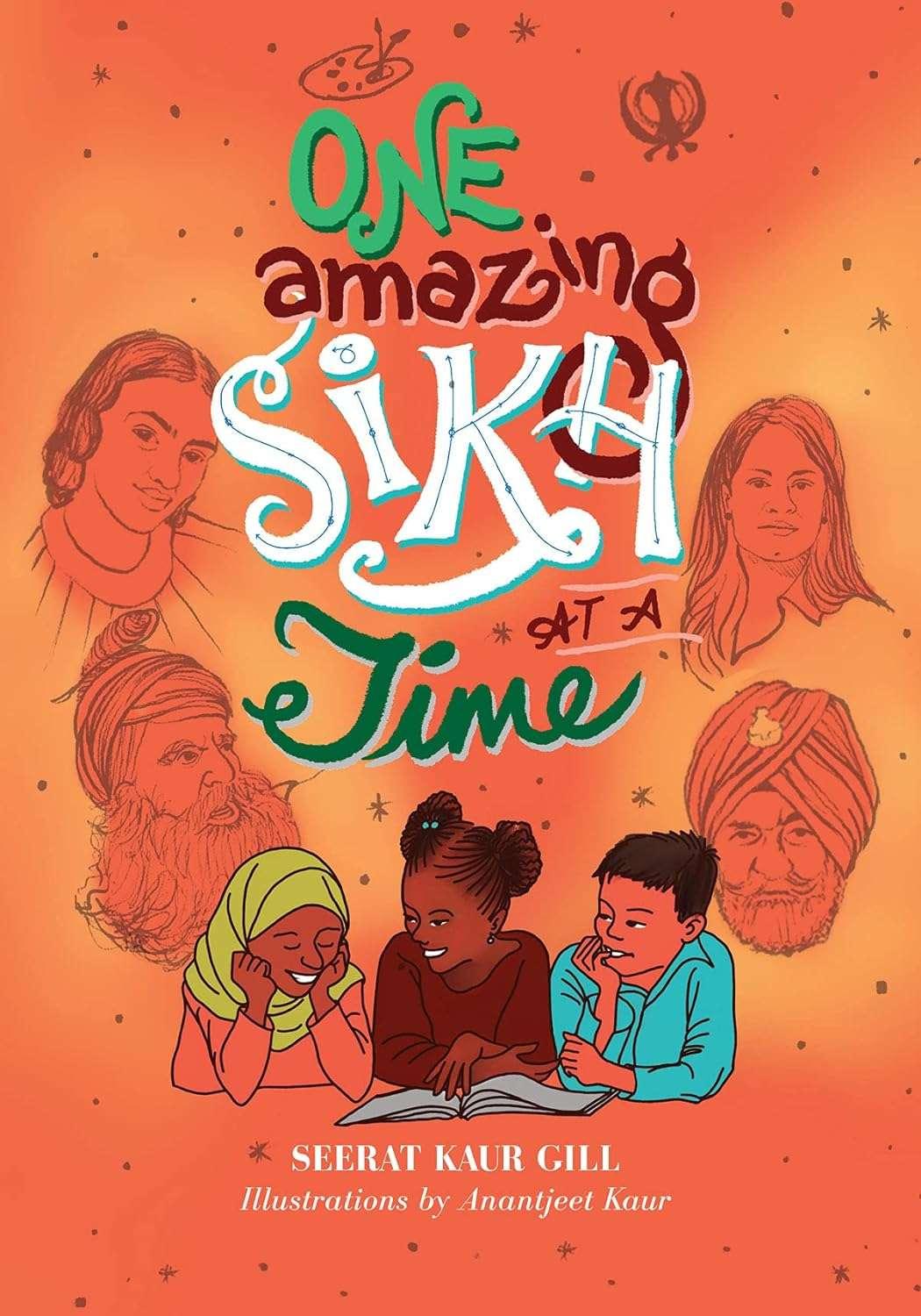
Each story in One Amazing Sikh at a Time highlights individuals who have made meaningful contributions through courage, compassion, and service. For younger readers, it’s inspiring; for adults, it’s humbling. These are not distant, mythical heroes—they are people who made conscious choices, often in difficult circumstances. The emotional resonance comes from recognising how much impact a single life can have, and perhaps reflecting on the ways we choose to show up in our own lives.

With its playful premise and engaging narrative, The Tooth Army Strikes Back! draws readers in with humour and imagination. But beneath the fun, adults may notice its thoughtful approach to habits, care, and responsibility. It turns something as routine as dental hygiene into an engaging story, while subtly reinforcing the importance of small, consistent actions. The charm lies in how it makes the everyday feel meaningful, reminding adults of the consistent discipline that shapes well-being.
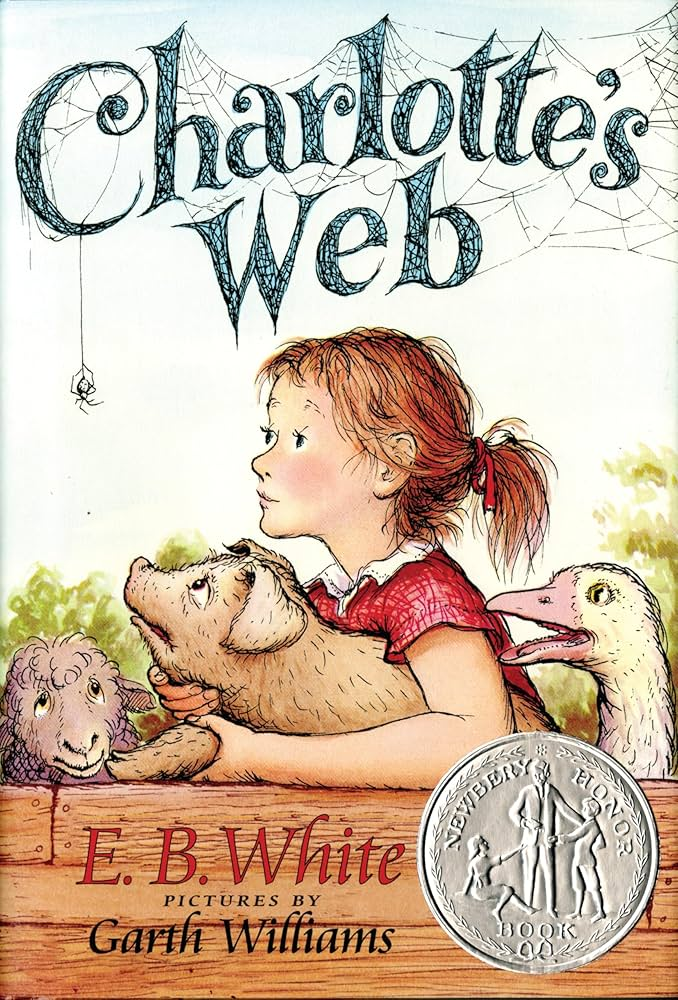
The friendship between Wilbur and Charlotte is tender from the start, but it’s Charlotte’s wisdom and selflessness that stay with you. As a child, her death is sad; as an adult, it feels profound. She doesn’t seek recognition, yet she changes Wilbur’s life entirely. Her acceptance of her own mortality, paired with her enduring kindness, turns the story into something larger than friendship—it becomes a reflection on legacy, on what we leave behind in the lives we touch.
What makes these books so affecting isn’t just their themes—it’s their honesty. They don’t overwhelm with complexity, yet they hold truths that are deeply layered. As children, we read them for the story. As adults, we read them for meaning.
And sometimes, in the space between those two experiences, we find ourselves unexpectedly moved—not just by what the stories say, but by what they awaken in us.