 Genre in Publishing
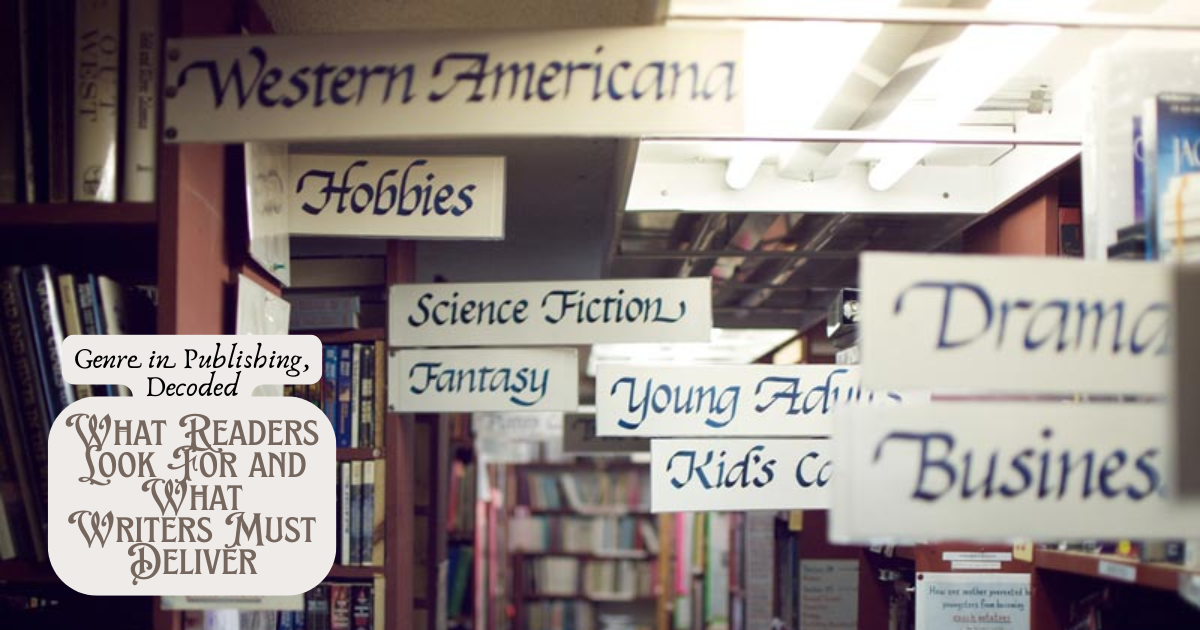
Walk into any bookstore, and you will notice something almost instinctive about the way books are arranged. Romance sits beside romance. Fantasy claims entire walls. Crime fiction gets its own darkly designed shelves. Literary fiction occupies a quieter corner, often dressed in minimalist covers and blurbs heavy with praise. Genre, in publishing, is not just a filing system. It is a promise.
For readers, genre answers a simple but powerful question: What kind of emotional experience am I about to have? For writers and publishers, it becomes a contract—sometimes liberating, sometimes restrictive, but always important. In today’s publishing ecosystem, where discoverability matters as much as craft, understanding genre is no longer optional. It is foundational.
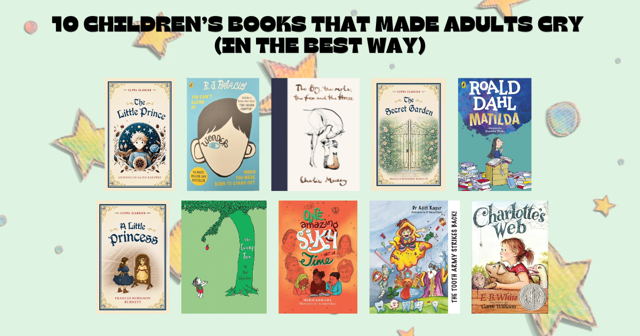
Also read: 10 Children’s Books That Made Adults Cry (In the Best Way)
At its core, genre exists because readers crave familiarity as much as surprise. A mystery reader expects tension, clues, and a satisfying reveal. Romance readers expect emotional intimacy and, more often than not, a hopeful ending. Horror readers want dread. Fantasy readers want immersive worlds. These expectations are not limitations; they are signals. They help readers choose books with confidence and allow publishers to market stories to the right audience.
This is why genre fiction dominates the commercial publishing world. Crime, romance, fantasy, science fiction, and thrillers thrive because they create loyal readerships. Readers return not just for a specific author, but for a specific emotional rhythm. According to publishing scholars, genre functions as both a literary and industrial tool—shaping marketing, cover design, bookstore placement, and even author branding.
But readers today are also more sophisticated than publishing stereotypes often suggest. They do not merely want formulas repeated endlessly. They want recognisable structures infused with originality. A romance novel may require emotional payoff, but readers still seek fresh dynamics, layered characters, and contemporary relevance. A thriller may demand pace, but audiences increasingly value psychological depth alongside suspense.
This tension—between expectation and innovation—is where publishing becomes fascinating.
Writers often fear genre because they mistake convention for creative restriction. Yet genre conventions are less like rigid rules and more like shared storytelling language. Readers enter a fantasy novel expecting world-building because that is part of the pleasure. Readers pick up detective fiction wanting the intellectual satisfaction of solving something. Ignoring these expectations entirely can alienate audiences, no matter how beautiful the prose may be.
At the same time, delivering only convention can feel lifeless. Publishing history repeatedly shows that the books that redefine genres are usually the ones that understand the genre deeply before bending it. The most successful stories often combine familiarity with disruption.
Consider the modern romance boom. Romance publishing has become one of the industry’s strongest commercial forces partly because it understands reader desire exceptionally well. Communities built around ‘Romancelandia’—a devoted community of romance readers, BookTok, and digital publishing platforms have transformed romance into a reader-driven ecosystem where emotional satisfaction, accessibility, and rapid engagement matter enormously.
Yet even within romance, the genre constantly evolves. Contemporary romance now absorbs elements from fantasy, thriller, literary fiction, and even speculative fiction. The rise of Romantasy—a blend of romance and fantasy—perfectly reflects this shift, combining emotional intimacy with immersive world-building and high-stakes adventure. Readers still want emotional payoff, but they also seek representation, emotional complexity, and modern social realities. Writers who succeed are not those who abandon genre expectations altogether, but those who expand them thoughtfully.
The same applies across categories. Fantasy readers increasingly expect morally complex characters rather than simple heroic archetypes. Crime fiction readers look for social commentary alongside suspense. Science fiction readers often seek philosophical or political depth. Genre evolves because readers evolve.
This evolution has also blurred the once rigid divide between ‘genre fiction’ and ‘literary fiction’. Traditionally, literary fiction has been associated with stylistic experimentation, thematic complexity, and interiority, while genre fiction has been linked to plot-driven storytelling and entertainment.
But contemporary publishing increasingly demonstrates that these boundaries are porous. Many bestselling books operate in both spaces simultaneously. Literary thrillers, speculative literary fiction, elevated horror, and genre-bending novels now dominate prize lists and bestseller charts alike.
Readers themselves often resist rigid categorisation. Research into reader preferences suggests that audiences gravitate toward combinations of tone, realism, emotional intensity, and atmosphere rather than strictly isolated genres.
Still, publishing as an industry relies heavily on categorisation because books must be positioned clearly in the market. Agents need comparison titles. Publishers need metadata. Bookstores need shelves. Algorithms need labels. Genre helps books become discoverable in a crowded marketplace. This is why genre-bending manuscripts can sometimes struggle traditionally—not necessarily because they lack quality, but because publishers may not know how to market them effectively.
For writers, then, the challenge is not merely writing well. It is understanding audience psychology.
A successful writer understands what emotional experience readers expect and delivers it with authenticity. That does not mean predictability. It means emotional coherence. Readers forgive unconventional plots more easily than they forgive broken promises. A thriller that lacks suspense, a romance without emotional resolution, or a mystery without meaningful payoff often leaves audiences dissatisfied because the implied contract has been violated.
Even book covers and titles participate in this contract. Dark typography signals thrillers. Illustrated covers often indicate contemporary romance. Ornate maps and metallic fonts suggest epic fantasy. Genre begins communicating long before page one.
And perhaps that is the most important truth about genre in publishing: it is not simply about categorisation. It is about trust.
Readers trust genres to guide them toward experiences they value. Publishers trust genres to identify markets. Writers use genres to enter conversations readers already understand. The best books honour these expectations while still surprising us enough to feel unforgettable.
Because ultimately, readers do not return to genres merely for repetition. They return for recognition—the comforting feeling that a story understands what they came looking for, even as it gives them something they did not expect.
Your next read: Reading Slumps Are Real: Here Are 8 Books Guaranteed to Pull You Out of One