
 Understanding POVs
Every story has a voice. Sometimes it whispers directly into our ears. Sometimes it allows us to peer into a character’s thoughts. And sometimes it stands at a distance, observing events unfold like a silent witness. This voice—the lens through which a story is told—is known as the Point of View, or POV.
For readers, POV often works invisibly. We become so immersed in a story that we scarcely notice how it is being narrated. Yet for writers, choosing the right POV is one of the most important decisions in the storytelling process. It shapes how readers experience the plot, connect with characters, and interpret events.
A simple change in POV can transform the same story from an intimate confession into an epic saga. Understanding the different points of view is therefore not just a technical skill—it is an essential storytelling tool.
Imagine witnessing a heated argument between two friends. If one friend tells the story later, you hear only their version of events. If the other friend tells it, the narrative may sound completely different. If an outsider recounts the scene, the story changes yet again.
Fiction works in much the same way.
POV determines who tells the story and what information the reader can access. It controls what is revealed, what remains hidden, and how closely readers connect with the characters.
Think of POV as the camera through which a novel is filmed. A close-up creates intimacy. A wide-angle shot provides perspective. Neither is inherently better; they simply serve different storytelling purposes.
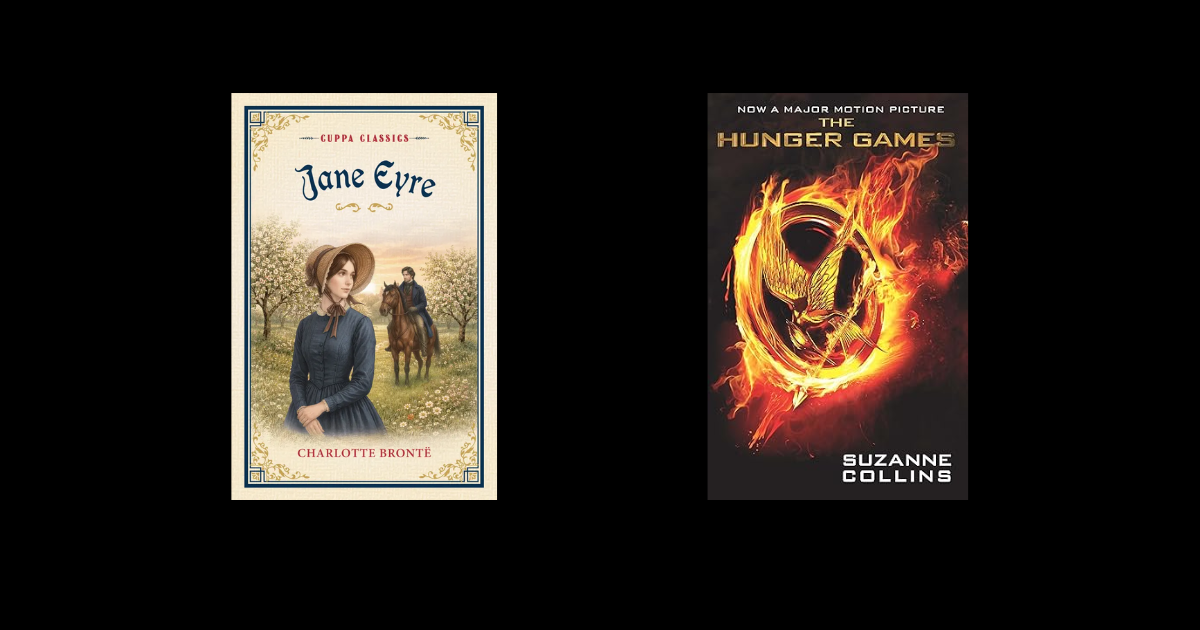
First-person narration uses pronouns like ‘I’, ‘me’, and ‘my’. The narrator is a character within the story, telling events from their personal perspective.
Consider the difference between:
"I opened the letter with trembling hands."
and
"Sarah opened the letter with trembling hands."
The first version immediately places readers inside the character’s experience. We feel the uncertainty, anticipation, and emotion directly.
Many beloved novels use first-person narration because it creates an intimate bond between the reader and the protagonist. Readers often feel as though they are experiencing the story alongside the narrator rather than simply observing it.
However, first-person narration comes with limitations. The narrator can only share what they know, see, or believe. This restriction can be powerful because it creates mystery and suspense. Readers discover information at the same pace as the narrator.
It also opens the door to the fascinating concept of the unreliable narrator—a character whose version of events may not be entirely accurate. Whether due to bias, misunderstanding, or deliberate deception, unreliable narrators can make stories especially compelling.
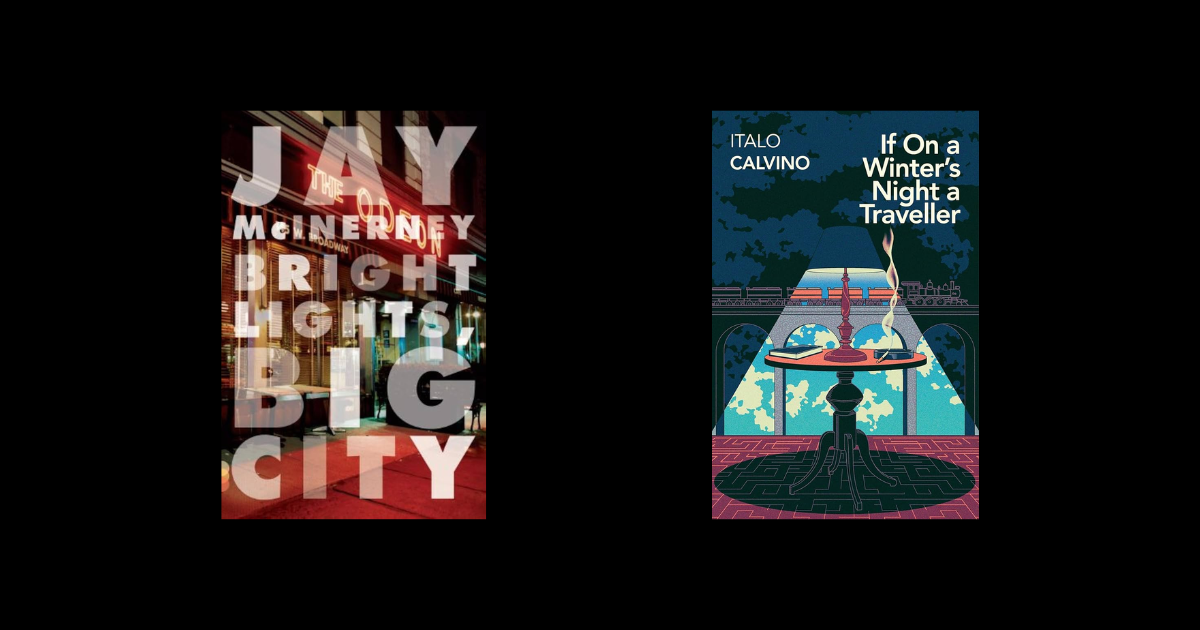
Second-person narration addresses the reader directly using ‘you’.
"You step into the abandoned house and hear a floorboard creak behind you."
This style creates an unusual sense of immediacy, making readers feel as though they are participants in the story.
While second-person POV can be striking, it is rarely used for entire novels because it can feel unnatural over long stretches. However, it appears effectively in short fiction, experimental literature, interactive narratives, and choose-your-own-adventure stories.
When executed well, second-person POV can create a powerful emotional experience, immersing readers in situations they might never encounter in real life.
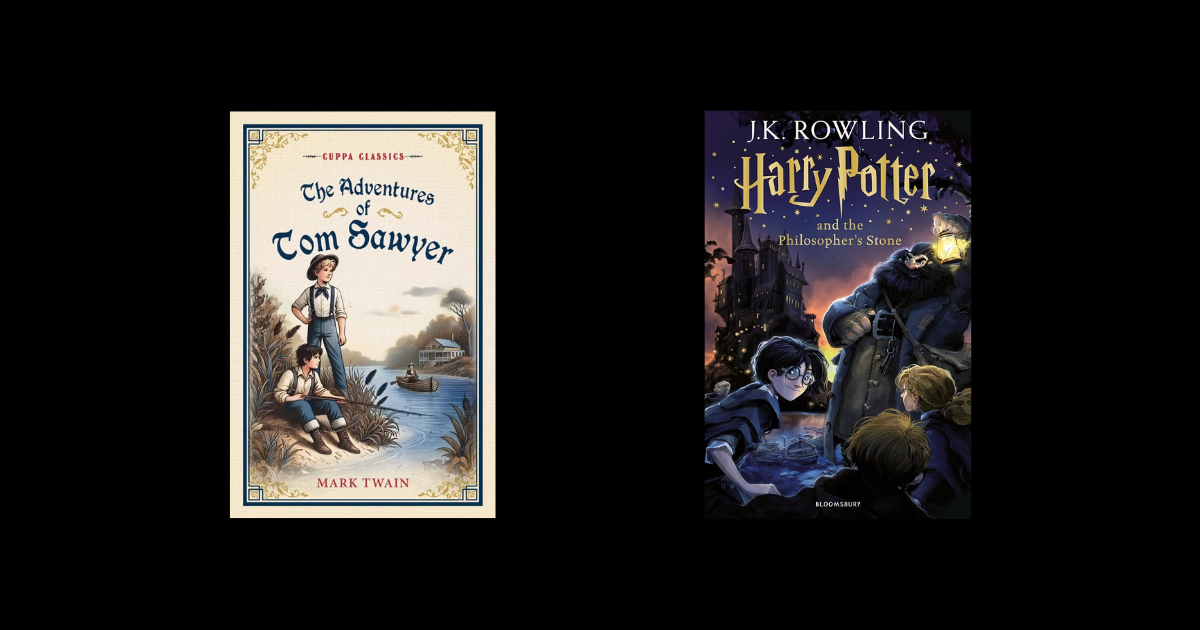
Third-person limited narration uses pronouns such as ‘he’, ‘she’, or ‘they’, while focusing closely on a single character’s thoughts and experiences.
For example:
"Sarah opened the letter. Her stomach tightened. She already knew this couldn't be good news."
Although the narrator refers to Sarah as ‘she’, readers still gain access to her internal thoughts and emotions.
This POV combines the intimacy of first-person narration with the flexibility of third-person storytelling. Writers can maintain a close emotional connection while avoiding some of the constraints of first person.
Many contemporary novels favour third-person limited because it strikes a balance between immersion and narrative freedom. It allows readers to connect deeply with characters while maintaining a slightly broader perspective.
Some stories are too large to be contained within a single character’s perspective. In these cases, writers may use multiple POV characters.
One chapter might follow a young soldier marching into battle. The next may focus on a politician making decisions far from the battlefield. Another might explore the experiences of a civilian caught in the conflict.
This approach allows readers to see different sides of the same story and understand how events affect various characters.
Epic fantasy, historical fiction, and large-scale dramas often employ multiple POVs because they enable writers to build complex worlds and interwoven narratives.
The challenge lies in ensuring that each character's voice feels distinct. If every narrator sounds the same, the shifts in perspective lose their impact.
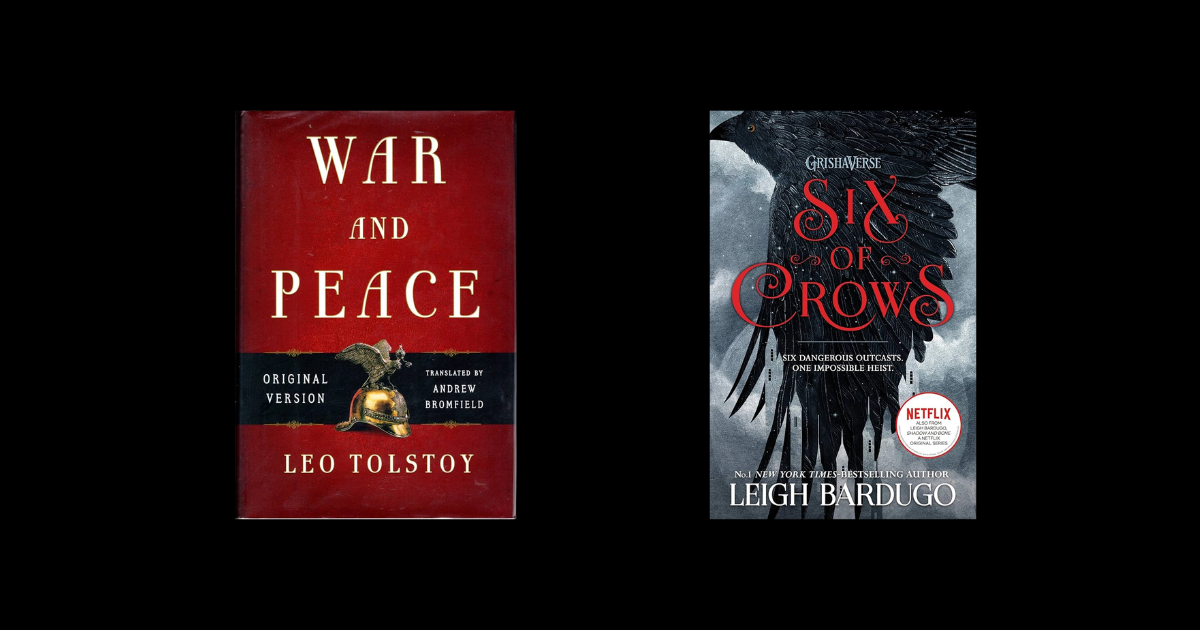
The omniscient narrator knows everything about everyone.
This narrator can reveal the thoughts, feelings, and motivations of multiple characters within the same scene. They can describe events occurring in different locations and even provide insights that no individual character possesses.
Classic literature frequently embraced omniscient narration. Authors could guide readers through sprawling narratives while offering commentary and context.
For example, an omniscient narrator might reveal that a hero feels confident before a battle while simultaneously informing readers that disaster awaits just beyond the horizon.
This creates dramatic irony—readers know something the characters do not.
While less common in modern fiction, omniscient POV remains a powerful tool when used skillfully.
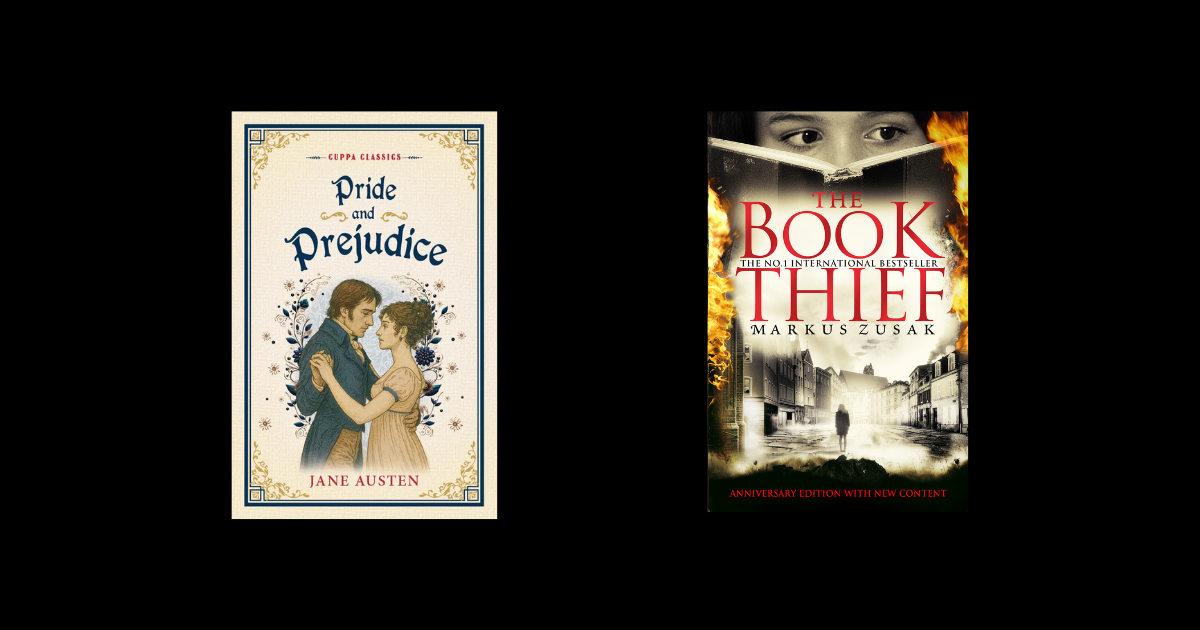
There is no universally ‘correct’ point of view. The best choice depends on the story being told.
If the goal is deep emotional intimacy, first-person or third-person limited may be ideal. If the story spans multiple locations and characters, multiple POVs might work better. If the narrative requires a broad, panoramic perspective, omniscient narration may be the perfect fit.
Many writers experiment with different POVs before settling on one. A story that feels flat in first person may suddenly come alive in third person. Another may gain emotional power when told directly through a character’s voice.
The key is to consider what the reader needs to experience.
Point of view is far more than a grammatical choice. It is the bridge between the story and the reader. It determines who gets to speak, whose emotions we share, and how the fictional world unfolds before us.
A story told through one voice can feel deeply personal. A story told through many voices can reveal a richer, more complex truth. Neither approach is inherently superior; each offers unique possibilities.
The next time you open a novel, pay attention to who is telling the story. You may discover that the narrator is doing far more than guiding you through events—they are shaping every emotion, mystery, and revelation along the way.
Because in fiction, the story itself matters. But the voice telling it matters just as much.