
 10 Queer Indian Books
It’s the beginning of Pride Month, and around this time, meaningful conversations about queer love, representation, identity, and belonging often come to the forefront, creating a safe and celebratory space for these stories to be shared and appreciated. Books, literary classics, and contemporary works frequently become the heart of these discussions.
However, despite the growing visibility and celebrations, there are still many stories that remain overlooked and don’t receive the attention they deserve. Queer Indian narratives are among them.
This Pride Month, we’re shining a spotlight on queer representation in Indian literature—stories that explore love, self-discovery, identity, and belonging in uniquely Indian contexts. These books offer powerful perspectives, challenge conventions, and may leave you with a deeper understanding of experiences you may not have encountered before.
Also read: Genre in Publishing, Decoded: What Readers Look For and What Writers Must Deliver
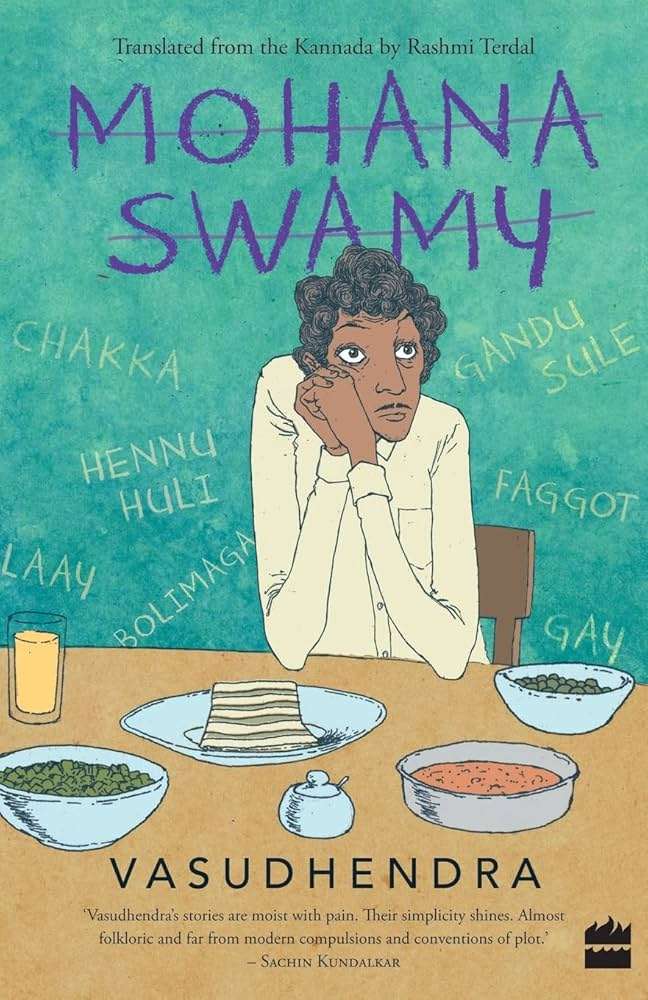
Coming out is an experience that is sometimes liberating, sometimes heartbreaking. Few books capture that emotional complexity as poignantly as Mohanaswamy by Vasudhendra.
When his long-time partner chooses to marry a woman, Mohanaswamy is left to grapple with the aftermath. The stories in the book unfold the pressure to conform, the fear of disappointing family, and the choice of leaving their partners to enter in heterosexual marriage under societal pressure. It covers the very core of the problems faced by many queer individuals.
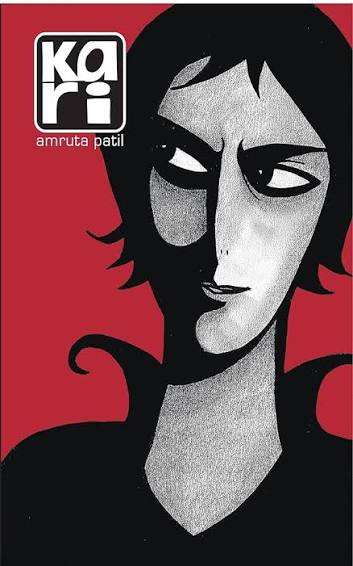
Indian fiction hasn't really seen a graphic novel quite like this before. The story begins with a suicide pact between two women, but quickly turns into something much deeper.
Set in an overcrowded and polluted metropolitan city, Kari follows a young queer woman trying to navigate heartbreak, identity, relationships, and life itself. Through its unique artwork and storytelling, the book captures what it feels like to be young, queer, and searching for your place in the world.
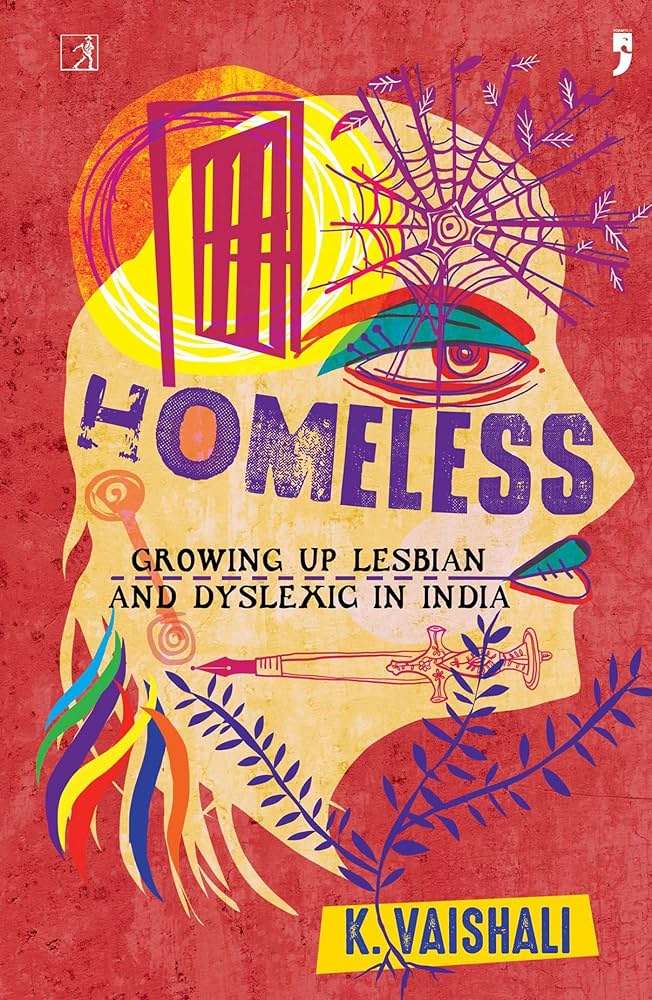
Homeless is not really what the title suggests. It is about never quite finding belonging in a world that refuses to make space for you, and yet somehow finding a way to survive it.
In this deeply personal memoir, K Vaishali writes about growing up as a lesbian and dyslexic in India. She navigates dyslexia, sexuality, first love, heartbreak, academic failure, loneliness, and homophobia, while also grappling with sickness, anxiety, depression, and questions of caste, gender, and body.
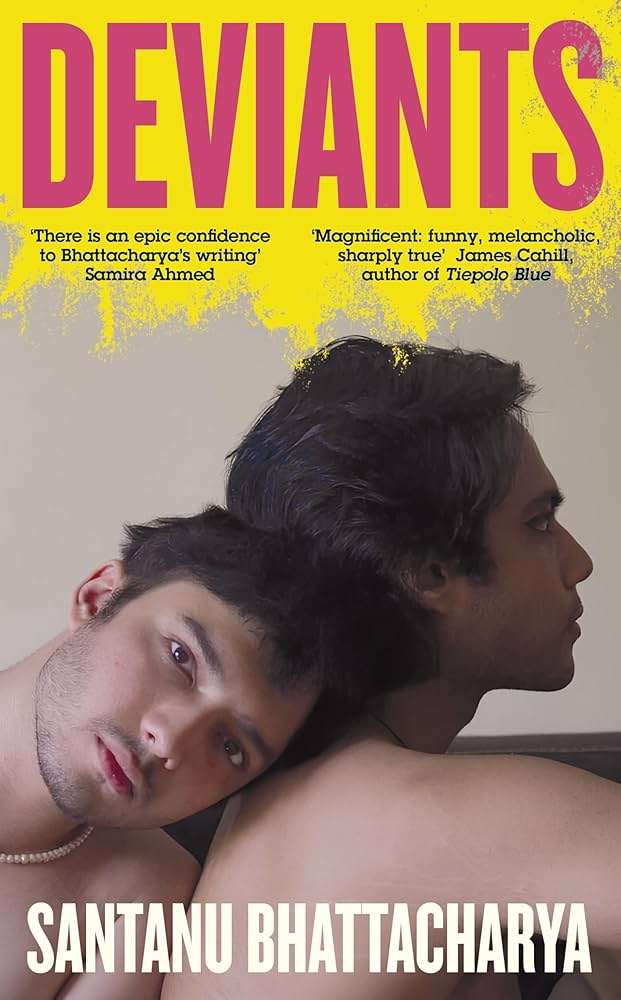
Queerness has never existed in just one era, one form, or one kind of courage. Deviants understands this deeply. Spanning generations, the novel traces how queer desire and love have been lived differently across time—hidden in shadows by those who feared persecution, and later, explored with electric abandon in the borderless intimacy of the online world.
Santanu Bhattacharya weaves together these shifting landscapes of identity and longing to show that while the world may change, the hunger to be seen, loved, and accepted remains achingly constant. A bold and layered read that refuses easy answers.
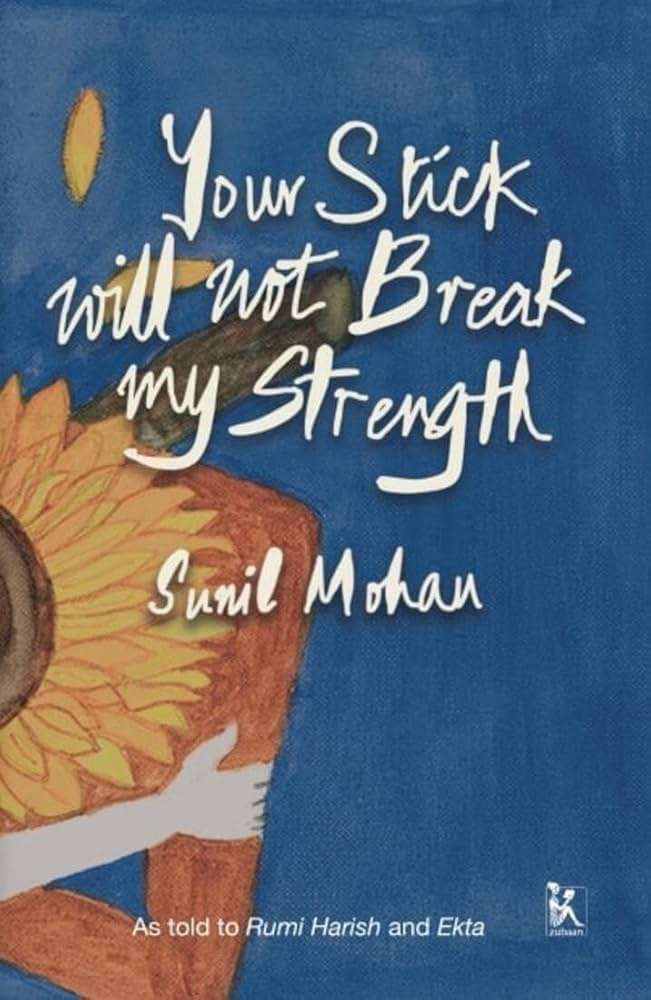
Being born in a body that doesn't match your identity and transitioning from one gender to another comes with a lot of yearning, uncertainty, self-questioning, and courage. And somewhere along the way, it builds a kind of strength that refuses to be broken. That's exactly what Sunil Mohan's memoir, Your Stick Will Not Break My Strength, is about.
More than a story of transition, the memoir explores what it means to be a trans man in a world that has rigid ideas about gender and masculinity. Honest, reflective, and deeply personal, the book also examines queer, trans, feminist, and anti-caste movements. This becomes an important read, especially in times when trans lives are being criminalised in the country.
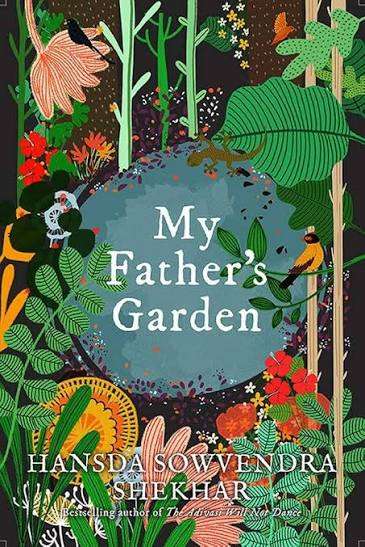
Some books are about finding love, while others are about dealing with everything that comes after losing it. My Father's Garden is a little bit of both.
Spanning nearly half a lifetime, the novel follows an unnamed young doctor as he navigates love, heartbreak, friendship, family expectations, and his need for belonging. Divided into three parts—Lover, Friend, and Father—the story explores queer love, loneliness, healing, and the complicated ties that bind us to family and home.
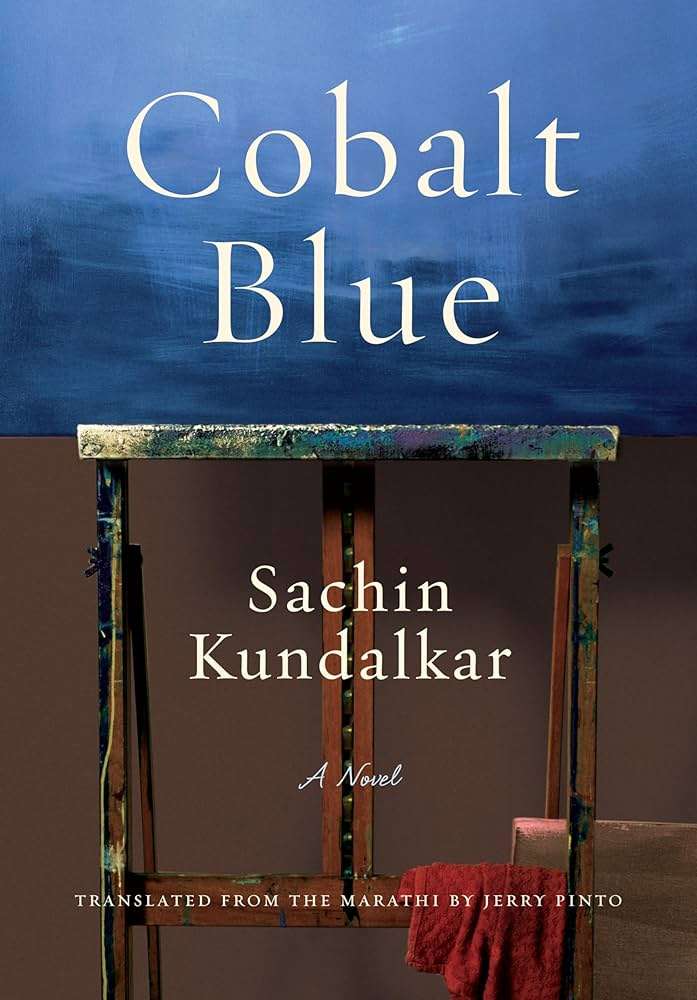
What happens when two siblings fall in love with the same person? Cobalt Blue begins with a brother and sister whose lives are changed when they fall for a charismatic paying guest. Through two separate narratives, the siblings recount their love for the same man and the ways in which that love transforms—and ultimately disrupts—their lives.
Poetic, intimate, and deeply emotional, Cobalt Blue explores queer desire, heartbreak, and the ache of loving someone who can never truly belong to you.
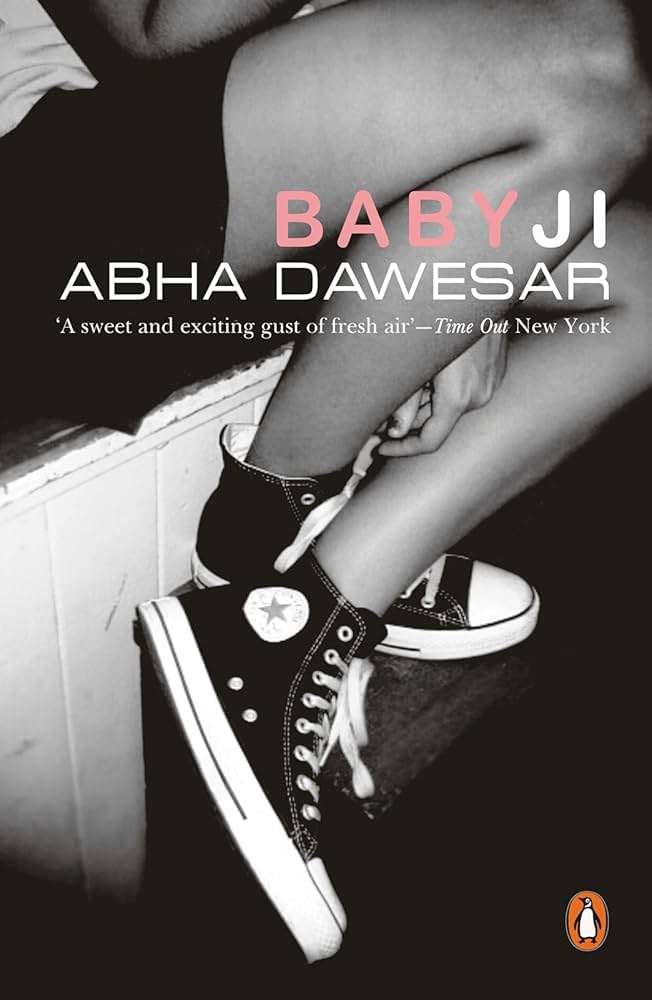
Bold, witty, and unapologetic, Babyji is a coming-of-age sapphic story that explores sexuality, self-discovery, and the messy process of figuring out who you are before the world decides it for you. Through Anamika's journey, the novel explores young lesbian desire, sexual awakening, and the complexities of navigating attraction.
At times uncomfortable and even unpalatable, the novel goes beyond conversations about queer identity to explore relationships through the lenses of desire, class, and power. It asks difficult questions, challenges assumptions, and isn't afraid to sit with moral grey areas.
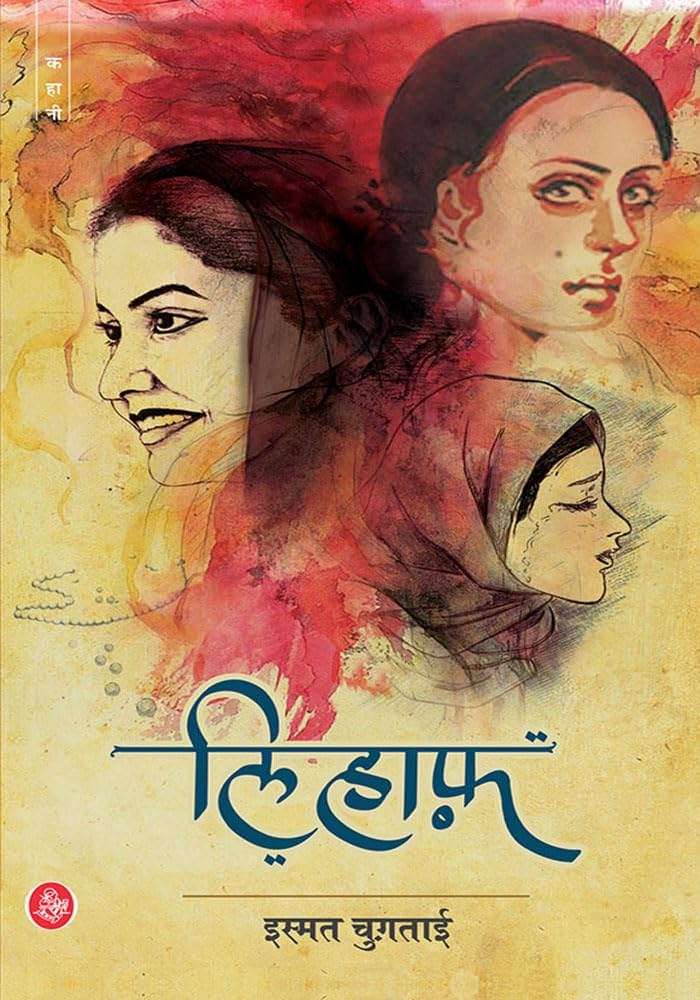
Long before conversations around queer representation became common, Ismat Chughtai was already writing stories that challenged social norms. First published in 1942, in the Urdu language, Lihaaf remains one of the most important works in queer Indian literature.
Told through the eyes of a young girl, the short story follows Begum Jaan, a lonely woman trapped in an unhappy marriage, and her relationship with her female companion, Rabbu. What unfolds beneath the metaphorical and literal "quilt" becomes a subtle yet powerful exploration of female desire and intimacy.
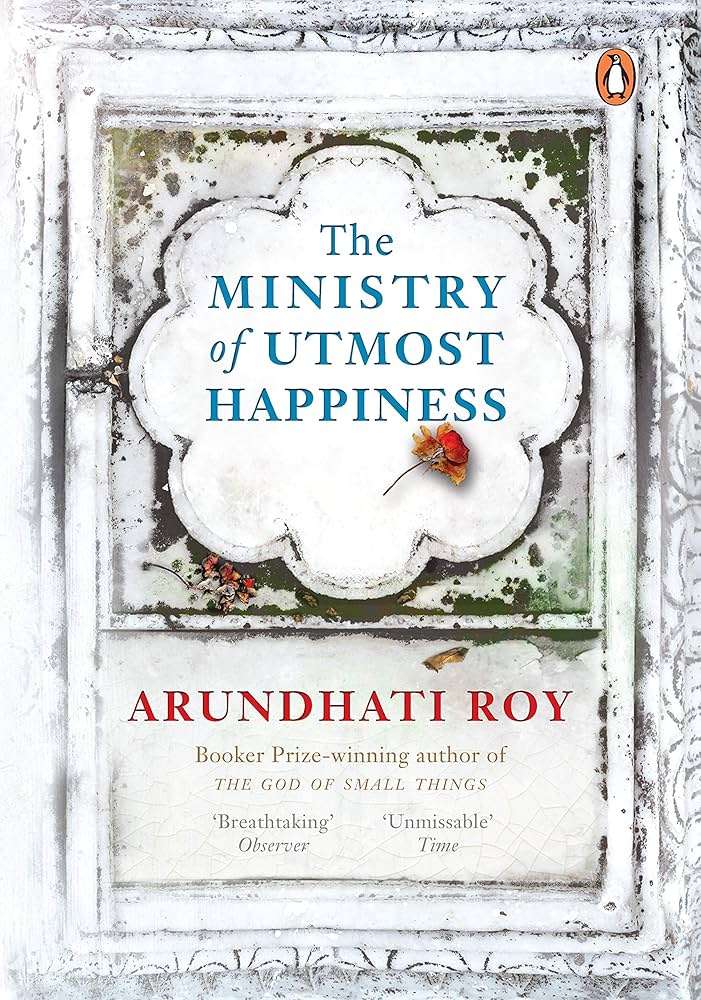
Not all queer stories are love stories. Some are about survival, belonging, and finding a place for yourself in a world that often pushes you to the margins.
At the heart of The Ministry of Utmost Happiness is Anjum, an intersex person navigating identity, loss, love, and community. Through her journey, Arundhati Roy explores what it means to build a life—and a home—on your own terms. Powerful and deeply human, the novel offers a moving portrayal of resilience and belonging.
As we celebrate Pride Month, it's important to remember that representation is not just about visibility—it's also about being heard, understood, and included. With the recent Amendment, trans lives are facing legal and social scrutiny, putting their dignity, autonomy, and right to self-identify in question. Time and again, queer individuals have to fight for the rights that most are privileged to have. During such times, it becomes even more important to read, educate ourselves, and amplify the voices, stories, and authors who bring the realities of queer communities to the forefront.
These books are perfect for moments when you're not only exploring love, identity, and belonging, but also creating space for empathy, understanding, and conversations that matter.
And if you take away even one book that makes someone feel seen, heard, or understood, then that's a story worth celebrating.
Happy Pride Month!
Your next read: You Think You Know Sherlock Holmes—But Do You? 7 Facts Even Devoted Readers Get Wrong